
Air Purifiers: Your Defense Against Indoor Pollutants – A Deep Dive
Indoor air quality is a basic calculate keeping a solid and happy with living climate. Poor air quality can lead to a variety of health issues, including respiratory problems, allergies, and even long-term complications. In today’s world, where many of us spend a significant amount of time indoors, it’s essential to understand the role of air purifiers in safeguarding our health.
Understanding Indoor Pollutants
Particulate Matter: These are tiny solid or liquid particles suspended in the air, such as dust, pollen, pet dander, and smoke. These particles can be inhaled into the respiratory system, causing allergies and other health problems.
Gases and Chemicals: Volatile organic compounds (VOCs) released from products like paints, cleaning agents, and building materials can lead to indoor air pollution. Radon and carbon monoxide are other dangerous gases that can infiltrate indoor spaces.
Biological Contaminants: Mold, bacteria, viruses, and other microorganisms can thrive in indoor environments, leading to respiratory infections and allergic reactions.
Radon: A naturally occurring radioactive gas that can seep into buildings from the ground, posing a significant health risk when inhaled over extended periods.
Secondhand Smoke: Exposure to tobacco smoke is a known cause of respiratory issues, especially in children and non-smokers living with smokers.
The Role of Air Purifiers
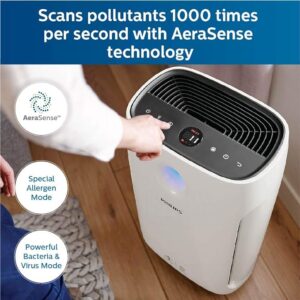
Air purifiers are designed to remove or reduce the concentration of these indoor pollutants, thus improving indoor air quality. They function by drawing in air from the environment and passing it through a filtration system that traps and eliminates harmful particles. Here is a more profound investigate how they work:
Filtration: The core of most air purifiers is a filter that can be made of various materials, such as HEPA (High-Efficiency Particulate Air), activated carbon, or even UV light. Each of these filter types targets specific pollutants. HEPA filters are excellent at trapping small particles, while activated carbon is effective at adsorbing gases and odors. UV light can kill microscopic organisms and infections.
Particle Size: It’s important to select an air purifier with a filter suitable for the size of particles you want to remove. For example, HEPA filters can capture particles as small as 0.3 microns, effectively removing most allergens and particulate matter.
Air Circulation Rate: Consider an air purifier’s Clean Air Delivery Rate (CADR) to determine how quickly it can clean the air in a specific room. This metric is essential for ensuring that the purifier can handle the size of your space effectively.
Maintenance: Regular filter replacement is crucial to maintain the efficiency of an air purifier. Follow the producer’s proposals for channel substitution to guarantee ideal execution.
Placement: Position the air purifier strategically in your living space to maximize its effectiveness. Ensure that there is no obstruction to the intake and exhaust vents.
Benefits of Using Air Purifiers
The use of air purifiers can bring several notable advantages to your indoor environment:
Improved Health: Cleaner air reduces the risk of respiratory problems, allergies, and infections caused by indoor pollutants.
Enhanced Comfort: Fresh, clean air promotes a more comfortable and pleasant living space.
Odor Control: Air purifiers with activated carbon filters can effectively remove unpleasant odors, such as cooking smells and pet odors.
Better Sleep: Breathing cleaner air can lead to better sleep quality, as it can reduce nighttime allergies and discomfort.
Allergen Reduction: Air purifiers can significantly reduce allergens like pollen and pet dander, providing relief to allergy sufferers.
In conclusion, air purifiers are valuable tools in the quest for healthier indoor air quality. They play a vital role in reducing indoor pollutants, ensuring a safe and comfortable environment for you and your loved ones. When selecting an air purifier, consider your specific needs and the types of pollutants you want to address, as well as factors like filter type, air circulation rate, and maintenance requirements. By making an informed choice, you can take a proactive step toward safeguarding your well-being and creating a cleaner and more pleasant living space.