
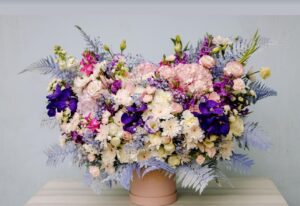
Floristry, the art of arranging and designing flowers, is a beautiful and cherished tradition across the globe. However, in an age where environmental consciousness is paramount, the floral industry is also evolving to embrace sustainability. This article will explore the concept of eco-friendly floristry, shedding light on how florists and flower enthusiasts can contribute to a greener and more sustainable world while still enjoying the beauty of blooms.
The Blossoming Awareness of Sustainability
The Environmental Impact of Traditional Floristry
Traditional floristry practices often involve the use of pesticides, excessive packaging, and long-distance transportation. We’ll delve into the environmental toll of these practices and why they need to change.
The Emergence of Eco-Friendly Floristry
A new wave of florists and consumers are prioritizing eco-friendliness. Explore how this movement is gaining momentum and redefining the way we view and interact with flowers.
Sustainable Sourcing of Flowers
Discover how florists are now seeking out sustainably grown flowers, which are cultivated using environmentally friendly practices. We’ll also explore the importance of supporting local flower growers.
Reducing Floral Waste
Learn about innovative techniques to reduce floral waste, including upcycling and composting. These methods are helping to minimize the environmental impact of discarded flowers.
Eco-Conscious Packaging
Explore how eco-friendly packaging options, such as biodegradable wraps and recycled materials, are replacing traditional plastics and excess packaging in the floral industry.
Nurturing a Greener Future
DIY Eco-Friendly Floral Arrangements
For flower enthusiasts, we’ll provide tips and ideas for creating your eco-friendly floral arrangements at home. This not only reduces waste but also allows for personalized and sustainable designs.
The Role of Technology
Discover how technology, such as online marketplaces for local, sustainably grown flowers, is making it easier for consumers to make environmentally conscious choices when purchasing flowers.
Floral Workshops and Education
Explore how floral workshops and educational programs are spreading awareness about sustainable floristry practices. These initiatives are empowering florists and consumers alike to make eco-friendly choices.
A Shift in Perspective: Dried and Preserved Flowers
Dried and preserved flowers are gaining popularity as they offer longevity and reduced environmental impact. Learn about the charm and eco-friendliness of these everlasting blooms.
Cultivating a Sustainable Floral Future
Eco-Friendly Floral Events
Discover how event planners and florists are collaborating to create eco-friendly floral arrangements for weddings, parties, and other special occasions.
Corporate Responsibility
Explore how businesses are incorporating eco-friendly floristry into their corporate social responsibility initiatives, promoting sustainability and environmental awareness.
The Future of Eco-Friendly Floristry
What does the future hold for sustainable floristry? We’ll explore emerging trends and innovations that promise to make the floral industry even more environmentally conscious.
In Conclusion: A Blooming Future
As the world becomes increasingly aware of the importance of sustainability, the floral industry is adapting to meet these expectations. Eco-friendly floristry is not only a trend but a necessary shift towards preserving the beauty of nature while minimizing its impact. By embracing sustainable practices, we can enjoy the world of blooms with a clearer conscience, knowing that our love for flowers contributes to a greener planet.
FAQs
- How can I ensure the flowers I purchase are sustainably sourced?
Look for florists and suppliers that emphasize sustainable sourcing and ask about their practices. Additionally, consider choosing locally grown flowers when possible.
- Are dried flowers as beautiful as fresh ones?
Dried flowers offer unique beauty and can be just as captivating as fresh blooms. They also last longer, making them a sustainable choice.
- Can I recycle or compost my floral arrangements?
Yes, many flowers and greenery can be composted or recycled. Be sure to remove any non-biodegradable elements like ribbons and plastics before doing so.
- How can I support sustainable floristry in my community?
Support local florists who prioritize sustainability, attend eco-friendly floral workshops, and spread awareness about the importance of eco-conscious floral practices.
- What are some eco-friendly alternatives to floral foam?
Consider using alternatives like chicken wire, reusable flower frogs, or biodegradable foam made from natural materials like coconut coir.