
In our information-driven world, distinguishing fact from fiction has never been more critical. With the vast amount of content available on the internet, it’s easy to fall prey to misinformation, scams, and fake sources. To help you navigate this digital jungle, we’ve created the ultimate checklist for authenticating online sources. With these guidelines, you’ll be better equipped to separate reliable information from dubious claims.
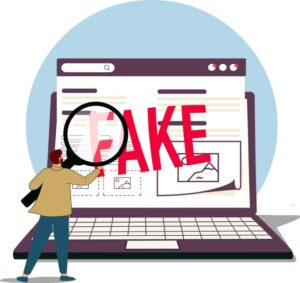
Table of Contents
- Introduction
- The Importance of Source Authentication
- Check the Source’s Credibility
- Examine the Author’s Qualifications
- Assess the Publication Date
- Cross-Reference Information
- Evaluate the Website’s Reputation
- Scrutinize the Use of Citations
- Look for Consistency in Tone and Style
- Beware of Sensationalism and Bias
- Conclusion
Introduction
The internet has revolutionized the way we access information, but it has also created an environment where misinformation thrives. To make informed decisions and avoid falling victim to fake news or scams, it’s crucial to develop a discerning eye for authenticating online sources. This checklist will guide you through the process of source verification, ensuring that you can trust the information you encounter online.
2. The Importance of Source Authentication
Understand the significance of authenticating online sources and the impact it can have on your knowledge and decision-making.
3. Check the Source’s Credibility
Learn how to evaluate the credibility of the website or platform where you found the information. Reputable sources are more likely to provide accurate information.
4. Examine the Author’s Qualifications
Assess the qualifications and expertise of the author or contributors. Trusted sources often feature authors with relevant credentials and experience.
5. Assess the Publication Date
Consider the publication date of the content. Timely information is more likely to be accurate and relevant, while outdated information may no longer hold true.
6. Cross-Reference Information
Discover the importance of cross-referencing information with multiple reliable sources. Consistent information across different sources increases its credibility.
7. Evaluate the Website’s Reputation
Research the reputation of the website or platform where you found the information. Reliable sources have a history of providing accurate and trustworthy content.
8. Scrutinize the Use of Citations
Check if the content includes proper citations and references to authoritative sources. Transparent attribution of information enhances credibility.
9. Look for Consistency in Tone and Style
Examine the tone and writing style of the content. Inconsistent or overly sensationalized writing may indicate unreliable information.
10. Beware of Sensationalism and Bias
Be cautious of content that uses sensational language or exhibits a strong bias. Objectivity and balanced reporting are indicators of credible sources.
Conclusion
The ability to authenticate online sources is a valuable skill in our information age. By following this checklist, you can empower yourself to make informed decisions, protect yourself from misinformation, and contribute to a more discerning online community.
Remember that the responsibility for source verification lies with each of us. As you embark on your online information journey, use this checklist as your trusted companion to navigate the digital landscape with confidence.
Trust in credible sources, question the questionable, and always strive for the truth in your quest for knowledge.