
The Evolution of Chapati Making: The Chapati Machine Revolution
Chapatis, a staple in many South Asian households, are flatbreads made from unleavened wheat dough. They are not only a delicious and versatile food but also a symbol of cultural identity. Traditional chapati making involves a time-consuming process of kneading, rolling, and cooking, which has been passed down through generations. However, with the fast-paced modern world, the need for innovation in chapati production became evident.
Traditional Chapati Making Methods
For centuries, chapatis were made by skilled hands that kneaded the dough to perfection. The dough was then divided into small portions, rolled out into circular shapes, and cooked on a hot griddle. While this method produced delicious chapatis, it was labor-intensive and time-consuming. In a world where convenience is key, traditional chapati making struggled to keep up.
The Emergence of Chapati Machines
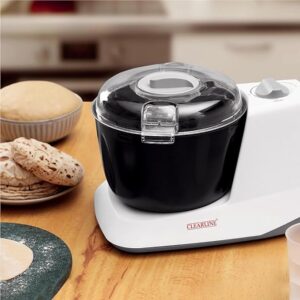
The solution to this challenge came in the form of chapati machines. These machines are designed to automate and simplify the chapati making process. They consist of various components like dough mixers, rollers, and cooking plates. These machines can produce chapatis of consistent size and quality, significantly reducing the time and effort required.
How Chapati Machines Work
Chapati machines operate through a straightforward process. First, the dough is prepared by mixing flour, water, and other ingredients in the machine’s mixer. Once the dough is ready, it is divided into equal portions, rolled into flat circles, and cooked on the machine’s heated plates. This automation allows for large-scale chapati production without compromising on taste or quality.
Advantages of Using a Chapati Machine
The benefits of using a chapati machine are manifold. Here are a portion of the key benefits:
Improved Efficiency and Productivity
Chapati machines can produce chapatis at a rapid pace, significantly increasing production capacity. This is particularly valuable for commercial establishments like restaurants, cafeterias, and catering services.
Consistency in Chapati Quality
Chapati machines ensure that each chapati is of the same size, thickness, and texture. This consistency is crucial in maintaining the quality of chapatis, whether they are served at home or in a business setting.
Labor and Time-Saving Features
Using a chapati machine reduces the need for manual labor in chapati production. These recoveries time as well as limits the actual exertion required.
Customization Options
Chapati machines come with adjustable settings, allowing users to customize the size and thickness of the chapatis to meet their specific preferences.

Health and Hygiene Considerations
Chapati machines maintain a hygienic cooking environment, reducing the risk of contamination. They are equipped with features that ensure the chapatis are safe to consume.
Types of Chapati Machines
Chapati machines come in various types to cater to different needs:
Automatic Chapati Machines
Automatic chapati machines are fully automated and require minimal human intervention. They are ideal for high-volume chapati production and are commonly used in industrial settings.
Semi-Automatic Chapati Machines
Semi-automatic chapati machines require some manual intervention, such as placing the dough on the rollers. They strike a balance between automation and control, making them suitable for smaller businesses.
Manual Chapati Machines
Manual chapati machines are operated entirely by hand and are suitable for small-scale chapati production at home.
Industrial-Sized Chapati Machines
Industrial-sized chapati machines are massive and are designed for large-scale chapati production, often used in commercial or institutional kitchens.

Benefits of Using Chapati Machines
The benefits of using chapati machines are compelling, and they extend beyond efficiency and consistency. Let’s delve deeper into why these machines have become indispensable in modern kitchens.
Choosing the Right Chapati Machine
Selecting the right chapati machine is crucial to ensure it meets your specific needs and budget. Here are some factors to consider:
Budget-Friendly Options
There are chapati machines available at various price points. It’s essential to find one that fits your budget while still meeting your production requirements.
Brand Reputation and Customer Reviews
Research the brands and models available in the market, and pay attention to customer reviews. This will help you gauge the machine’s performance, durability, and after-sales support.
Warranty and After-Sales Support
Check for guarantees and after-deals administrations presented by the maker. A good warranty ensures that you have support in case of any issues with the machine.
Chapati Machine Maintenance and Care
To keep your chapati machine running smoothly, regular maintenance is essential. Here are a few hints for support and care:
Cleaning and Upkeep
Clean the machine thoroughly after each use to prevent the buildup of dough or residue. Routinely examine the machine for mileage.

Troubleshooting Common Issues
Learn how to troubleshoot common issues like dough sticking to the rollers or uneven cooking. Knowing how to address these problems will keep your chapati machine in excellent working condition.
Prolonging the Lifespan of Your Chapati Machine
Proper care and maintenance can significantly extend the lifespan of your chapati machine, ensuring that it serves you well for many years.
The Future of Chapati Making
As technology continues to advance, so do chapati machines. Here’s a glimpse into the future of chapati making:
Technological Advancements in Chapati Machines
Chapati machines will continue to evolve with more advanced features, such as touchscreen controls, digital settings, and smart monitoring systems.
Sustainability and Eco-Friendly Chapati Machines
There is a growing focus on sustainability in chapati machine manufacturing, with efforts to reduce energy consumption and waste.
The Global Impact of Chapati Machines
Chapati machines are not limited to one region; they are gaining popularity worldwide, impacting the way chapatis are made and enjoyed across different cultures.
In conclusion, chapati machines have transformed the way chapatis are made, making the process more efficient and consistent. They offer numerous advantages for businesses and households, and their future holds even more technological innovations and sustainability efforts.